

Chronic diseases account for nearly 74% of deaths worldwide, based on data from the World Health Organization. Heart disease, diabetes, cancer, and neurodegenerative conditions continue to place pressure on healthcare systems that often respond after symptoms become severe. Many patients still enter the medical system only when pain, fatigue, or other visible warning signs interfere with daily life. That structure has shaped modern medicine for decades, especially in systems built around diagnosis and treatment rather than long-term prevention.
Growing interest in longevity science has started to shift that conversation. Researchers, clinicians, and preventive medicine programs are exploring whether earlier monitoring and lifestyle-focused healthcare could help reduce future disease burdens before they become difficult or expensive to manage. Approaches such as the Good Gene healthspan model reflect a broader movement toward proactive healthcare planning that focuses on maintaining physical and cognitive function over time instead of reacting only after illness appears.
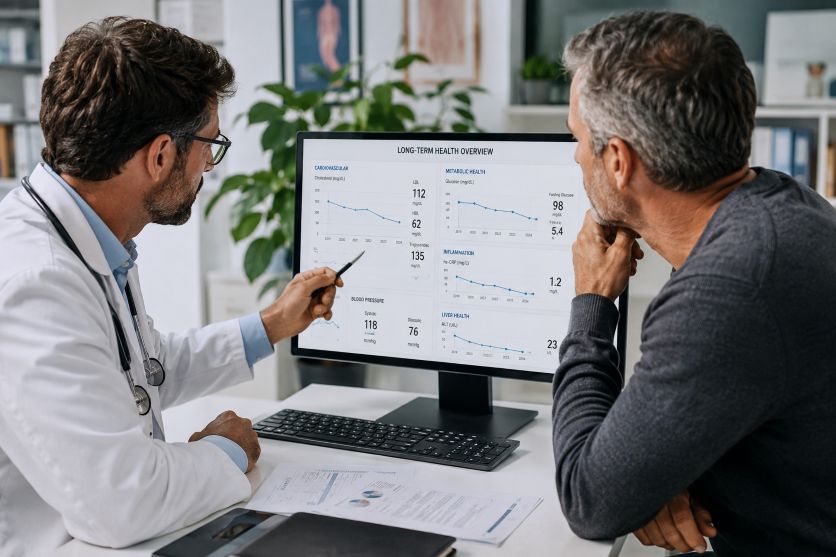
How Reactive Healthcare Became the Standard
Reactive healthcare developed partly because infectious disease and emergency medicine dominated earlier public health priorities. Hospitals and clinics were designed to treat acute conditions quickly. Antibiotics, surgeries, and emergency interventions helped extend life expectancy during the twentieth century, and many healthcare systems evolved around those successes.
That structure works well during medical emergencies. A broken bone, bacterial infection, or heart attack requires immediate treatment. Reactive care remains essential for trauma medicine, urgent interventions, and disease management. Problems emerge when chronic illness develops slowly over many years without noticeable symptoms.
Research published by the Centers for Disease Control and Prevention shows that six in ten American adults live with at least one chronic disease. Many of these conditions are linked to long-term lifestyle patterns, including poor sleep, inactivity, chronic stress, smoking, and metabolic dysfunction. Reactive systems often identify these illnesses after measurable damage has already occurred.
Traditional healthcare appointments also tend to be short. Physicians frequently focus on current symptoms because time constraints leave limited room for extensive prevention planning. Blood pressure medication may be prescribed after hypertension develops, for example, while deeper discussions about sleep quality, nutrition, exercise habits, or inflammatory markers may receive less attention.
What Preventive Healthspan Care Looks Like
Preventive healthcare shifts attention toward identifying risks earlier. Instead of waiting for disease to progress, clinicians monitor biological changes that may signal future problems. The goal is to preserve function and quality of life for longer periods, a concept often described as “healthspan” rather than lifespan alone.
Healthspan-focused medicine usually combines several elements:
- Routine biomarker monitoring
- Nutrition and exercise guidance
- Sleep and stress management
- Metabolic health tracking
- Long-term risk assessment
- Behavioral and lifestyle coaching
Data from the National Institute on Aging suggests that preventive interventions targeting cardiovascular health, insulin resistance, obesity, and inflammation may help reduce risks associated with age-related disease. Many longevity-focused clinics now use continuous monitoring tools, wearable technology, and advanced blood testing to observe patterns before symptoms become clinically severe.
For example, reactive care may address type 2 diabetes after elevated glucose levels persist for years. Preventive models attempt to identify metabolic dysfunction earlier through insulin sensitivity testing, weight management strategies, and exercise planning. The intention is to slow progression before major complications emerge.
Comparing Reactive and Preventive Approaches
Timing of Intervention
Reactive care begins once symptoms interfere with health or daily function. Preventive care aims to intervene during earlier biological changes, sometimes years before a diagnosis occurs.
Researchers at Harvard T.H. Chan School of Public Health note that cardiovascular disease often develops gradually through decades of plaque accumulation and inflammation. Preventive strategies therefore focus on controlling blood pressure, cholesterol, smoking, and diet before major cardiac events occur.
Patient Involvement
Traditional reactive systems often place clinicians in the role of treating illness after it develops. Preventive healthspan models typically require stronger patient participation. Individuals may track sleep patterns, exercise habits, stress levels, or nutrition consistently over time.
This creates a more ongoing relationship between daily behavior and healthcare outcomes. Lifestyle changes become part of treatment planning rather than secondary recommendations.
Cost Structure
Reactive medicine can become expensive when chronic diseases advance into complex treatment stages. Hospitalizations, surgeries, dialysis, and long-term medication management place major financial strain on healthcare systems.
Research from the Milken Institute estimates that chronic diseases create trillions of dollars in annual economic impact globally through medical costs and reduced productivity. Preventive medicine supporters argue that earlier intervention may lower future healthcare spending, although long-term cost studies are still developing.
Critics also note that advanced testing and longevity-focused monitoring can increase short-term healthcare expenses, especially when newer technologies are involved. Questions remain about accessibility and whether preventive healthspan medicine can scale equally across different income groups.
The Role of Monitoring and Personalized Data
Technology has become a major factor in the rise of preventive healthcare. Wearable devices can monitor heart rate variability, sleep cycles, physical activity, and recovery trends in real time. Continuous glucose monitors are increasingly used outside diabetes treatment to study metabolic responses to food and stress.
Experts from the Mayo Clinic note that personalized health tracking may improve patient awareness and encourage earlier behavioral adjustments. Some healthspan-focused programs also incorporate genetic information, family history, and environmental factors to create individualized prevention strategies.
At the same time, medical researchers caution against overreliance on data alone. Biomarker testing can identify risks, but interpretation still requires clinical context. Excessive testing may also create anxiety or lead to unnecessary interventions if results are misunderstood. Similar concerns appear in discussions surrounding mental health medications and long-term wellness planning, where careful monitoring and individualized care remain important parts of patient safety.
That balance remains an ongoing challenge in preventive longevity medicine. Monitoring tools provide more information than previous generations of healthcare systems could access, yet meaningful outcomes still depend on sustainable lifestyle changes and evidence-based care.
Can Preventive Longevity Medicine Reduce Chronic Disease Burdens?
Healthcare economists and public health experts continue debating how much preventive medicine can realistically reduce long-term disease rates. Some evidence already supports the value of prevention. Research from the American Heart Association indicates that healthier cardiovascular behaviors are strongly associated with lower risks of heart disease, stroke, and premature death.
Population-wide prevention efforts have also shown measurable results in areas such as smoking reduction, vaccination, and hypertension awareness. These examples suggest that earlier intervention can improve long-term public health outcomes when applied consistently.
Still, preventive healthcare faces practical limitations. Lifestyle changes are difficult to maintain over time, and many social factors influence health outcomes beyond individual choice. Income inequality, food access, work stress, environmental exposure, and healthcare availability all affect long-term disease risk.
Preventive longevity medicine therefore may function best as part of a broader healthcare strategy rather than a complete replacement for reactive treatment systems. Emergency medicine, surgery, and disease-specific therapies remain necessary. The larger shift involves integrating prevention earlier into standard healthcare routines instead of treating it as an optional add-on.
Conclusion
Healthcare systems built primarily around symptom treatment continue to face growing pressure from rising chronic disease rates and aging populations. Reactive medicine remains essential for emergencies and advanced disease management, yet many experts believe earlier intervention could help reduce future health burdens before severe complications appear.
Healthspan-focused care introduces a different perspective. Continuous monitoring, lifestyle planning, preventive screenings, and personalized risk assessment aim to preserve long-term function rather than simply extend lifespan. Research across cardiovascular health, metabolic disease, and aging science suggests that prevention may play a larger role in future healthcare systems as technology and medical understanding continue to evolve.
Whether preventive longevity medicine can significantly reduce chronic disease burdens on a global scale remains uncertain. Evidence continues to grow, but accessibility, cost, patient adherence, and healthcare infrastructure will likely shape how widely these approaches can be adopted. What is becoming clearer is that many patients and clinicians are beginning to view health not as something managed only during illness, but as a long-term process that benefits from consistent attention long before symptoms appear.